
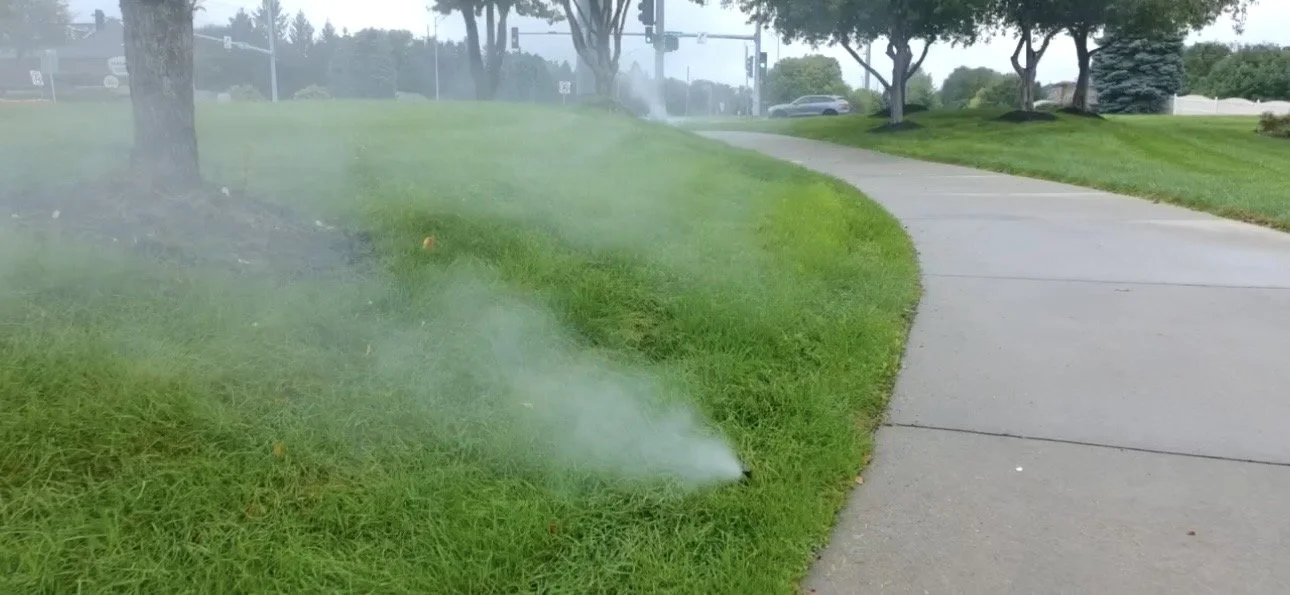
What Happens If You Missed Your Sprinkler Winterization
Haven't winterized your sprinkler system yet? Learn how to protect your backflow preventer tonight, assess freeze damage risks, and schedule emergency blowout services with Alternate Rain in the Omaha metro.
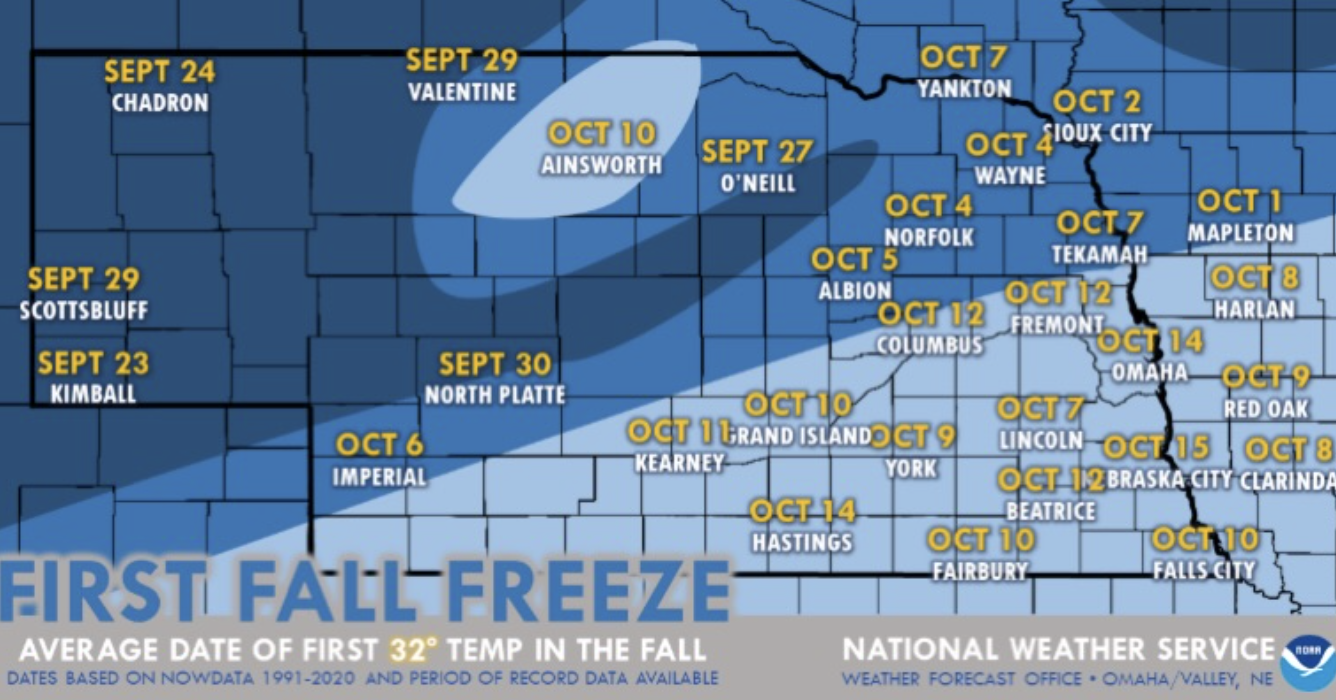
When to Winterize Your Sprinkler System in Omaha
Wondering when to winterize your sprinkler system in Omaha? Learn the best time to schedule, what freezing temperatures mean for your irrigation system, and how to protect your sprinklers from costly winter damage.
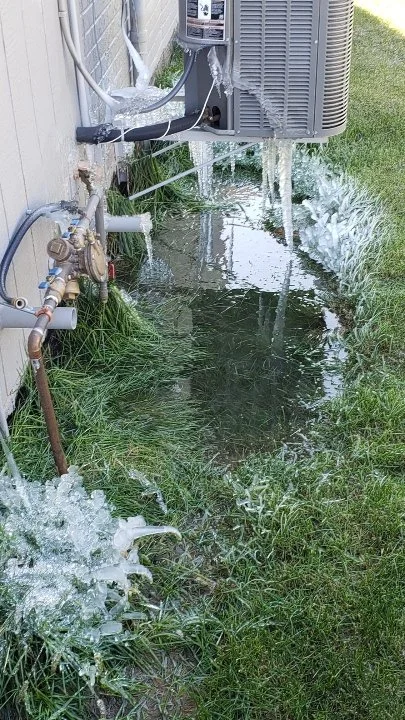
Why Winterizing Your Sprinkler System Is the Most Important Service Call of the Year
Sprinkler winterization is one of the most important services you can schedule before an Omaha winter. Learn how professional winterization helps protect your pipes, valves, sprinkler heads, and backflow preventer from costly freeze damage—and why waiting until the first hard freeze can be a costly mistake.
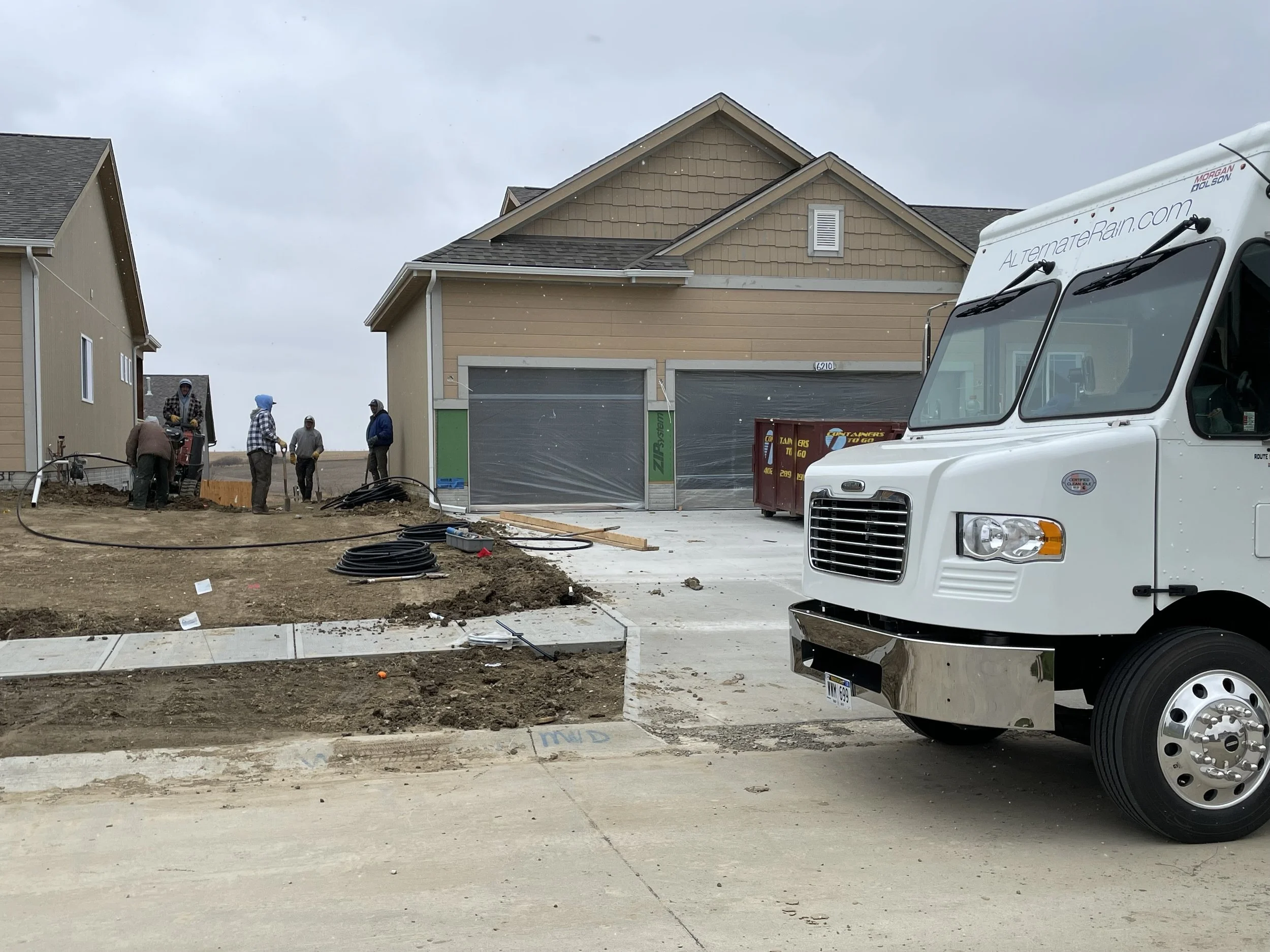
What to Expect During Your Sprinkler Winterization — A Step by Step Look at What We Do
Wondering what actually happens when we winterize your lawn irrigation system? Here’s an honest, step-by-step look at how our technicians protect your pipes, backflow preventer, and zones from costly freeze damage before winter hits.
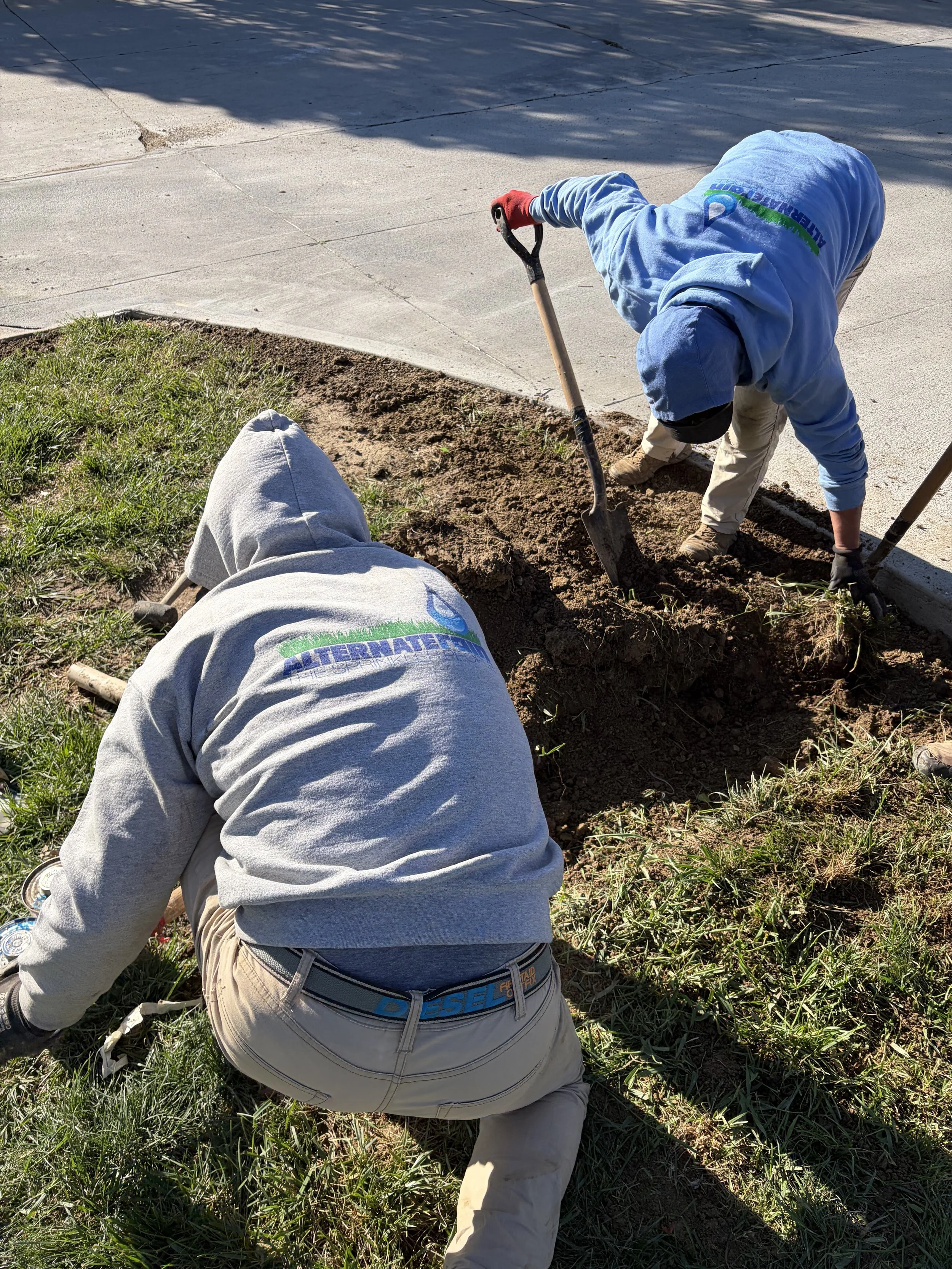
How Fall Rainfall Affects Your Irrigation Schedule — And When to Let Nature Do the Work
Fall rain can do more for your lawn than you might think. With cooler temperatures and slower moisture loss, your irrigation system may not need to run nearly as often. Learn when to let nature handle the watering, how to avoid overwatering, and how rain sensors and Wi-Fi controllers can make fall irrigation easier.
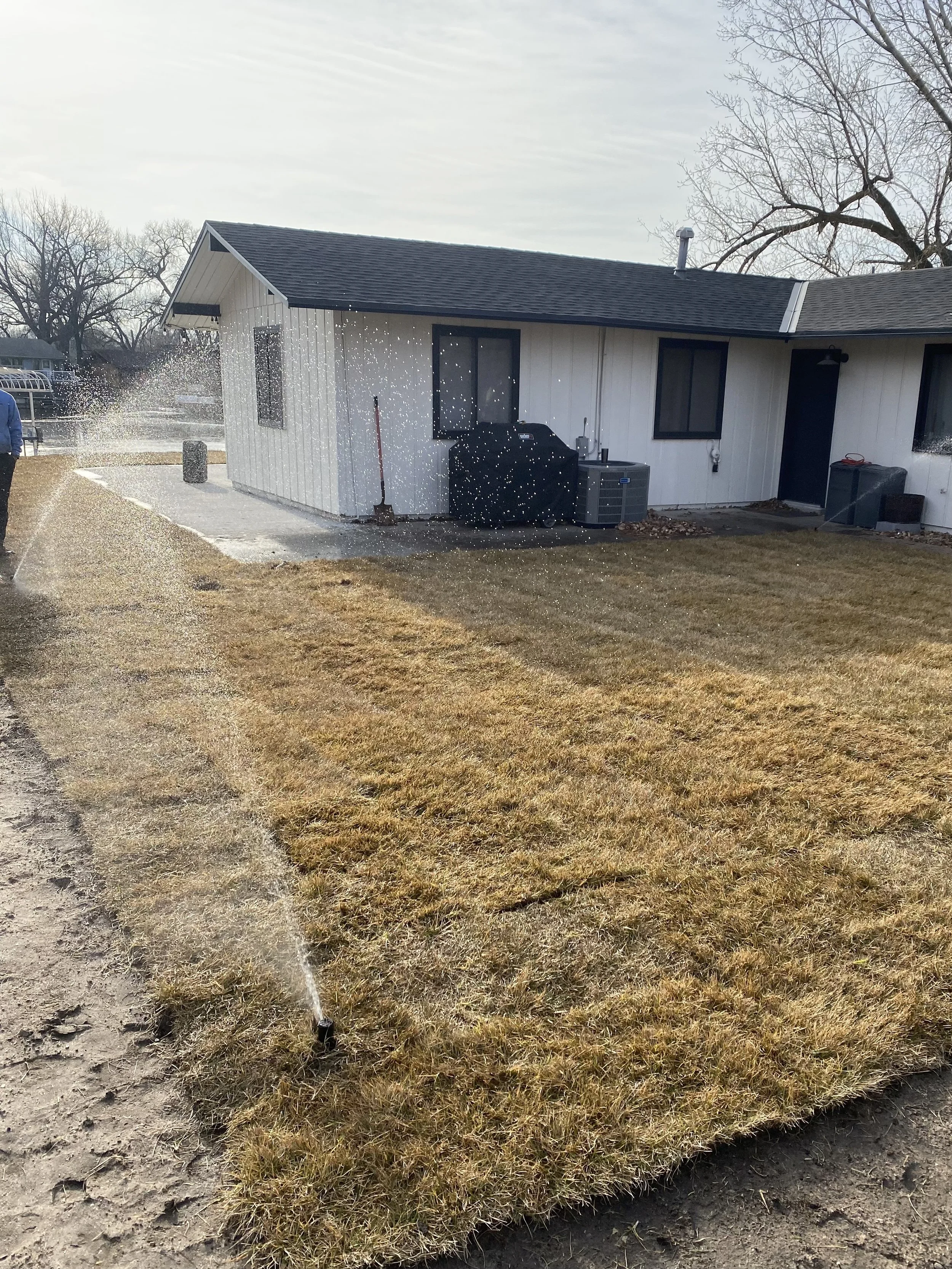
How Cooler Temperatures Affect Your Lawn's Watering Needs
As Omaha temperatures begin to cool, your lawn doesn’t need the same watering schedule it did during peak summer heat. Learn how cooler weather affects your lawn’s water needs, when to reduce irrigation, and how to adjust your sprinkler system for a healthier lawn this fall.

Why Your Lawn Looks Rough at the End of Summer — And How to Set It Up for a Fall Recovery
Summer heat, drought, and heavy traffic can leave even well-maintained Omaha turf looking worn down. Before you assume the worst, learn how to run a quick test to tell dormant grass from dead turf—and see how core aeration, targeted overseeding, and seasonal watering adjustments can reset your lawn for a lush spring.

When Is the Right Time to Winterize Your Sprinkler System in Omaha?
Fall arrives fast in Omaha. One week it's 90 degrees, the next you're staring down a frost warning. Here's exactly when to schedule your sprinkler winterization so a sudden freeze doesn't turn into an expensive repair bill.

How to Water New Grass Seed — And Why Getting It Right Is Critical This Fall
Fall is the ultimate window for seeding or overseeding your lawn in Omaha, but getting your watering schedule right is the make-or-break factor. From keeping the top layer of soil damp during the critical first two weeks to transitioning toward deeper watering that builds deep, resilient root systems, here is everything you need to know to ensure your new seed establishes successfully before winter.

What Is a Backflow Preventer and Why Does Your Sprinkler System Need One?
Wondering what that backflow preventer line item on your sprinkler quote actually is? Learn why it protects your home's water, Nebraska’s installation laws, and winterization tips.

Why a Mid-Season Sprinkler Check Could Save Your Lawn — and Your Water Bill
Most homeowners only think about their sprinkler system twice a year, when it turns on in the spring and off in the fall.
But a lot can go wrong between April and October. Because systems run in the early morning while you're asleep, broken heads, shifted rotors, and failed zones often go completely unnoticed for weeks. By the time brown patches appear or your water bill spikes, the damage is already done.
Discover why a mid-season irrigation check is the secret to protecting your lawn, saving water, and avoiding costly repairs during summer's peak heat.

How to Prevent Lawn Fungus in Omaha's Summer Heat — What Golf Courses Know That Homeowners Don't
Wondering why Omaha golf courses stay green and fungus-free while residential lawns struggle through the summer heat? It’s not just luck, it’s a proactive approach to turf management. Discover what course superintendents do differently, from preventive fungicide rotations to strategic watering schedules, and learn actionable steps you can take to protect your own lawn from brown patch and other summer fungal diseases.

What to Look for When Hiring a Sprinkler Company in Omaha
Installing a sprinkler system is a major investment in your home, but picking the wrong contractor can lead to years of dry spots, high water bills, and endless repairs. Before you sign a contract, learn the critical questions to ask—including what detailed quotes should cover, Nebraska’s backflow laws, and why price alone doesn't tell the whole story.

How We Install Underground Sprinkler Systems Without Tearing Up Your Yard
Thinking about installing a new underground sprinkler system but dreading the thought of a torn-up lawn? You aren't alone. Discover how Alternate Rain uses specialized pipe-pulling technology to install durable poly pipe with zero trenches, minimal lawn disruption, and a turnaround time of just a few hours for most Omaha homes.

Why Your Water Bill Spikes in Summer — And How Your Sprinkler System May Be to Blame
Every summer, Omaha homeowners see their MUD bills climb, but how much of that increase is normal? Learn what a healthy summer water bill looks like, the sprinkler problems that quietly waste thousands of gallons, and a two-minute meter test that can reveal a hidden leak.

Should You Skip a Watering Cycle During a Heat Wave? What Omaha Homeowners Need to Know
When an Omaha heat wave hits, your first instinct is to run the sprinklers. But during extreme heat, more water isn’t always the answer. Discover how cool-season grasses handle high temperatures, why your lawn might be going dormant instead of dying, and how to properly adjust your irrigation system to protect your roots without wasting water.

How Tree Roots Can Destroy Your Sprinkler System — And What to Do About It
Notice some sprinkler heads working great while others in the same zone barely pop up? The culprit might be hiding right under your feet. Learn how aggressive tree roots—especially Omaha’s common River Birch and Locust trees—can quietly crush your poly pipe, and how to spot the signs before your lawn suffers.

When Is the Best Time of Day to Run Your Sprinklers in Summer?
Setting your sprinkler controller in the spring matters just as much as how long you water. Get the timing wrong, and you could be actively working against your lawn all summer long. Discover the best time of day to run your sprinklers in Omaha to maximize efficiency and prevent costly fungal diseases like brown patch.

Is Your Lawn Sick or Just Thirsty? Common Summer Lawn Problems in Omaha and What to Do About Them
When the intense heat of an Omaha summer settles in and your lawn starts showing brown patches or strange discoloration, the instinct for most homeowners is to turn up the sprinkler system. But more water isn’t always the answer and in some cases, it can make things significantly worse. Knowing the difference between a thirsty lawn and a sick one is the first step toward fixing the problem rather than accidentally feeding it. Here is how to diagnose the most common local summer lawn issues, from hidden grubs to nocturnal fungi, and how to safely correct them.

How Often Should You Water New Sod? A Guide forOmaha Homeowners
Getting new sod installed is incredibly satisfying—but the weeks immediately following installation will make or break your lawn. Here is what you need to know about watering new sod from day one until it’s fully established.